Why Buying Quality Used Machinery Can Be Your Competitive Edge
In a highly competitive manufacturing landscape, every strategic advantage counts. For many UK manufacturers and engineering firms, buying quality used machinery is no longer a last resort, but a smart, proactive business decision. By choosing second-hand industrial equipment and pre-owned machines from reputable suppliers, companies can access high-performance assets at a fraction of the cost of new alternatives, without compromising on output, reliability, or safety.
Investing in used plant and machinery allows businesses to maximise their capital investment and preserve valuable cash flow. Instead of tying up large sums in brand-new equipment that depreciates rapidly, manufacturers can redirect resources into other critical areas, such as skilled labour, innovation, process improvements, or market expansion. This flexibility can be the difference between merely keeping up with competitors and pulling ahead of them.
Quality used engineering equipment often comes from well-known brands and established production lines, meaning it has a proven track record in real-world conditions. When sourced carefully, these machines can offer the same level of capability and durability as new models, while enabling faster return on investment and shorter payback periods. For UK manufacturing businesses under pressure to improve efficiency, maintain high standards, and respond quickly to changing customer demands, this combination of cost savings and performance makes pre-owned machinery a powerful strategic tool.
Ultimately, buying quality used machinery is not just about spending less; it is about investing more intelligently. By balancing cost, capability, and reliability, UK manufacturers can strengthen their competitive position, increase operational resilience, and achieve more with the same, or even a smaller, capital outlay.
The Business Case for Buying Used Machinery Instead of New
For many businesses, especially those in manufacturing, construction, and engineering, machinery is one of the largest capital investments they will ever make. Choosing to buy used machinery instead of brand-new equipment can offer a compelling financial advantage and a stronger overall business case. By opting for high-quality pre-owned machines, companies can significantly reduce capital expenditure and free up funds for other strategic priorities, such as hiring, marketing, or product development.
One of the most persuasive reasons to consider used machinery is the substantially lower upfront cost. New equipment often comes with a premium price tag that includes not only the build cost but also brand mark-ups and the hidden cost of rapid early depreciation. In contrast, used machinery has already passed through its steepest depreciation curve, meaning you can acquire robust, reliable equipment at a fraction of the original purchase price. This immediately eases pressure on your budget and allows you to access machinery that might otherwise be unaffordable if bought new.
Lower upfront costs naturally translate into a faster return on investment. Because your initial outlay is smaller, the revenue generated by the machine, whether through increased production, new contracts, or improved efficiency, can pay back the purchase price far more quickly. In practical terms, this means your machinery moves from being a cost on your balance sheet to a profit-generating asset in a shorter period. For businesses operating in competitive markets or with tight margins, this faster payback period can be a crucial advantage.
Improved cash flow is another key benefit. When you avoid tying up large amounts of capital in new machinery, you retain greater financial flexibility. The money saved can be redirected towards working capital, stock, staff training, or investing in complementary technologies. This healthier cash flow position can help your business weather fluctuations in demand, respond rapidly to new opportunities, and negotiate better terms with suppliers and clients. In essence, buying used machinery helps you keep more cash in the business, where it can be actively used to drive growth.
The range of affordable machinery options on the used market has expanded significantly. Many reputable dealers now specialise in high-quality, well-maintained second-hand equipment, often sourced from businesses that are upgrading, downsizing, or closing. This creates opportunities to purchase modern, technologically advanced machines with plenty of remaining service life, but at a much lower price point. In some cases, you may even be able to afford a higher-specification used machine for the same cost as a lower-spec new model, giving you better performance and capability for your money.
When evaluating used vs new machinery, it is important to look beyond the initial purchase price and consider the total cost of ownership. This includes maintenance, repairs, energy consumption, downtime, training, and resale value. Well-maintained used equipment can offer excellent reliability and lower lifecycle costs, especially if spare parts are readily available and the technology is proven and familiar to your workforce. New machines may promise cutting-edge features, but they can also come with higher servicing costs and untested components, which may not always translate into immediate operational savings.
A thorough used vs new machinery comparison should therefore factor in how quickly the equipment will start contributing to revenue, how easily it can be integrated into existing processes, and whether your team already has the skills to operate and maintain it. Used machinery often has the advantage of familiarity, reducing training time and the risk of operational errors. In addition, if you decide to upgrade again in future, quality used equipment typically retains a stable resale value, further improving its long-term financial attractiveness.
For businesses that need budget-friendly equipment without compromising on capability, used machinery presents a practical, financially sound solution. By lowering capital expenditure, reducing upfront costs, and supporting faster returns on investment, it strengthens your cash flow and gives you greater control over your financial strategy. When you take into account the total cost of ownership and the wide choice of reliable, affordable machinery options now available, the case for buying used rather than new becomes not just attractive, but strategically compelling.
Types of Quality Used Machinery Available Across UK Industries
Across the UK, businesses in almost every sector are increasingly turning to quality used machinery as a smart, cost-effective alternative to buying new. Reputable suppliers carefully inspect, service, and often refurbish this equipment, ensuring it delivers reliable performance at a fraction of the cost. From small workshops to large industrial plants, the range of used machinery available is extensive and can provide a genuine competitive advantage to forward-thinking companies.
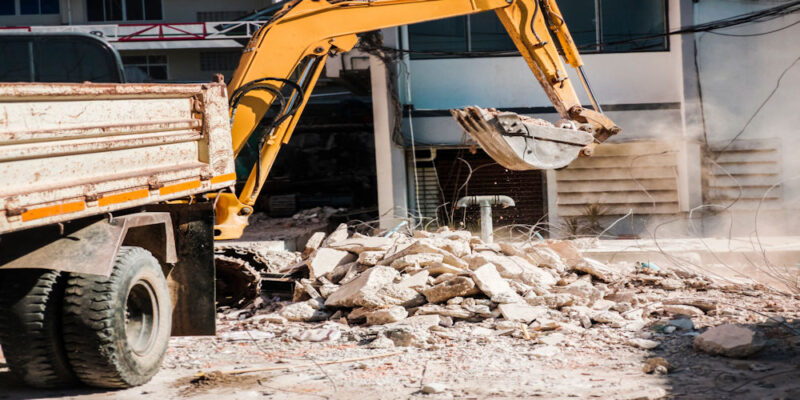
Used construction machinery is in high demand among contractors, builders, and civil engineering firms. This includes items such as excavators, loaders, dumpers, cranes, and access platforms. Well-maintained used equipment can handle demanding site conditions just as effectively as new machines, allowing companies to expand their fleets, take on more projects, or replace older assets without overstretching their budgets.
Used agricultural machinery is equally important across the UK’s farming and agribusiness sectors. Farmers and agricultural contractors can source used tractors, combines, balers, seed drills, sprayers, and a wide selection of attachments and implements. Buying quality used machines enables agricultural businesses to keep pace with seasonal demands and technological developments while preserving valuable capital for other critical investments such as land, livestock, or storage facilities.
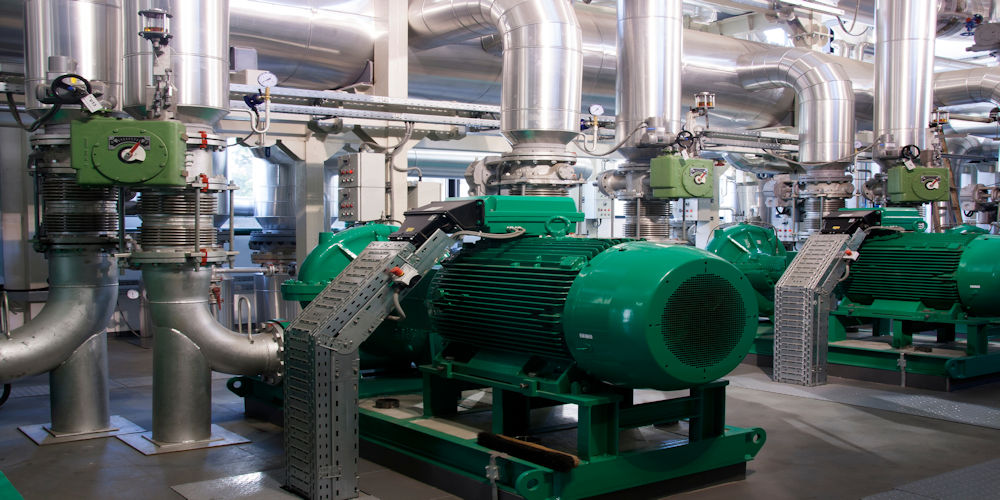
In the industrial sector, used manufacturing equipment offers an attractive way to scale up production capacity or modernise operations. This category can cover everything from assembly line systems and conveyors to presses, mixers, and specialised production machinery tailored to particular industries. By choosing used, manufacturers can access high-spec equipment that might otherwise be unaffordable, helping them to boost output, improve consistency, and respond quickly to new orders or product lines.
Used CNC machines are particularly sought after by precision engineering and fabrication firms. Equipment such as used CNC lathes, milling machines, machining centres, and drilling machines can deliver the same high levels of accuracy and repeatability as new models, provided they are sourced from a trusted supplier. Investing in used CNC machinery allows companies to increase their machining capacity, take on more complex work, and shorten lead times without committing to the higher costs associated with brand-new equipment.
Used metalworking machinery serves a wide range of metal fabrication, engineering, and repair businesses across the UK. This includes used presses, guillotines, bending machines, roll formers, welders, and cutting equipment such as plasma and laser cutters. Choosing used metalworking machinery enables workshops to broaden the services they offer and improve turnaround times, while still maintaining tight control over operating costs.
For joinery firms, furniture manufacturers, and carpentry workshops, used woodworking machinery can be a highly practical choice. Machines such as saws, planers, thicknessers, edge-banders, routers, and sanding equipment are regularly available on the used market. High-quality pre-owned woodworking machinery can provide excellent precision and finish, supporting consistent craftsmanship and allowing businesses to take on a wider variety of projects.
In addition, used packaging equipment is vital for companies in food and drink, pharmaceuticals, consumer goods, and many other sectors. Businesses can find used filling machines, labelling systems, shrink-wrapping lines, case packers, and palletisers that help streamline their end-of-line processes. Opting for used packaging machinery can reduce bottlenecks, enhance product presentation, and improve overall efficiency, all while keeping capital expenditure under control.
More broadly, used plant equipment in the UK covers a wide spectrum of industrial and site-based machinery, including generators, compressors, access equipment, and material handling solutions such as forklifts and telehandlers. By purchasing quality used plant, businesses can respond quickly to new contracts or changing workloads, secure essential backup equipment, and minimise downtime.
By exploring the wide variety of used construction machinery, used agricultural machinery, used manufacturing equipment, used CNC machines, used metalworking machinery, used woodworking machinery, used packaging equipment, and used plant equipment available across the UK, businesses can equip themselves with reliable, high-performing machinery at significantly lower cost. This strategic choice not only supports stronger cash flow and faster return on investment, but also promotes sustainability by extending the working life of robust industrial equipment.
How to Assess the True Quality of Used Machinery Before You Buy
Investing in used machinery can be a smart way to reduce costs, but only if you are confident about what you are actually buying. The true quality of a second-hand machine is not just about how it looks on the surface; it is about how reliably it will perform, how much life it has left, and how likely it is to cost you money in repairs and downtime. A careful, structured assessment before purchase can protect your budget, your production schedule, and your peace of mind.
A good starting point is to use a detailed machinery inspection checklist. This ensures you do not overlook any critical components or warning signs. Your checklist should cover the overall machine condition assessment, including the frame, guards, controls, hydraulics, electrical systems, and safety features. Look for signs of poor repair work, missing parts, or modifications that do not appear to be professionally done, as these can indicate a history of problems or neglect.
Next, ask to review the full service history and maintenance records. Well-documented records are one of the strongest indicators that a machine has been cared for properly. Regular servicing, timely replacement of consumable parts, and adherence to manufacturer recommendations all point to a machine that is more likely to remain reliable. On the other hand, gaps in the paperwork, missing invoices, or vague explanations about past repairs should make you more cautious and prompt further questions.
Operating hours are another crucial factor, much like the mileage on a used vehicle. A machine with high operating hours is not automatically a poor choice, but it does require a more critical eye. Compare the recorded hours with the expected lifespan of the model and consider how intensively it has likely been used. Low hours on an older machine may be a red flag too, suggesting long periods of inactivity, which can also cause certain components to degrade.
Physical wear and tear must be examined closely. Inspect for excessive play in moving parts, leaks, unusual noises, vibration, corrosion, and cracks or dents in the structure. Examine belts, bearings, seals, and hoses for signs of deterioration. Normal wear is expected in used machinery, but uneven or severe wear can indicate misuse, overloading, poor maintenance, or underlying mechanical issues that could soon become expensive failures.
Reliability is not just about current condition; it is about how consistently the machine is likely to perform in your operation. Research the make and model’s reputation within your industry. Some machines are known for being robust and long-lasting, while others may have common faults or design weaknesses. Speaking to other users, checking industry forums, or consulting a specialist dealer can give you valuable insight into how dependable the machine is likely to be in real-world conditions.
Performance testing is an essential part of any pre-purchase inspection. Never rely solely on a static visual check. See the machine running under load, performing the tasks you expect it to carry out in your own facility. Monitor start-up, operation, and shut-down. Listen for irregular noises, check for excessive vibration, slow response times, or error messages. Verify that all functions, controls, and safety systems work correctly. A short, thorough test run can reveal issues that would never be visible in a simple walk-around inspection.
Where possible, invest in a professional pre-purchase inspection carried out by an independent expert or engineer familiar with that type of machinery. They can provide an objective machine condition assessment, using diagnostic tools and their experience to identify hidden faults or upcoming maintenance needs. This expert opinion can give you stronger negotiating power on price, or the confidence to walk away from a poor-quality machine before it becomes your problem.
By combining a systematic machinery inspection checklist with careful review of service history and maintenance records, scrutiny of operating hours and wear and tear, and proper reliability and performance testing, you gain a far clearer picture of the machine’s true quality. This disciplined approach allows you to make a confident, informed decision, ensuring that the used machinery you choose genuinely supports your productivity rather than undermining it.
Buying from a Reputable Supplier
Choosing a trustworthy supplier or dealer for used machinery is essential if you want to protect your investment and avoid costly downtime. In the UK used machinery marketplace, where options range from small independent traders to large accredited suppliers, it can be difficult to know who to rely on. Taking a careful, methodical approach to selecting a dealer will not only give you greater peace of mind, but can also result in better-performing equipment, clearer terms of sale and stronger long-term support for your business.
Start by focusing on reputable used machinery dealers with an established track record in your sector. Look for businesses that have been operating for several years, have a visible presence both online and offline, and are known within the industry. Reputable dealers tend to be transparent about the origin, condition and service history of their machines, and are willing to provide detailed documentation rather than vague assurances. They will usually specialise in particular types of machinery, which means they are more likely to understand your technical requirements and match you with suitable equipment.
Accredited suppliers offer an additional layer of confidence. Membership of recognised trade bodies, adherence to industry standards and compliance with relevant UK regulations indicate that the dealer is subject to oversight and is committed to professional conduct. Accreditation may also require regular audits, ethical trading practices and proper handling of warranties and complaints. When you choose an accredited supplier, you are not just buying a machine: you are choosing a partner who has formally committed to certain quality and service benchmarks.
Dealer reviews and testimonials are powerful tools for assessing reliability. Take time to read independent online reviews, case studies and customer feedback, paying close attention to recurring themes. Consistently positive comments about communication, honesty, delivery times and machine condition suggest that the dealer is dependable. Equally, repeated complaints about unexpected faults, hidden fees or poor customer service are red flags you should not ignore. Genuine testimonials, ideally with company names and contact details, can give you a clearer picture of how the dealer performs once the sale has been made.
A warranty on used machinery is another strong indicator of trustworthiness. Although used equipment will rarely come with the same level of cover as new machinery, a dealer that offers a clear, written warranty is demonstrating confidence in the quality of what they sell. Look closely at what is covered, for how long, and under what conditions. A fair warranty that protects you against major defects or early failures can save you significant expense and disruption, and it shows that the dealer is prepared to share some of the risk rather than leaving you fully exposed.
After-sales support should also be a key consideration. Reliable dealers do not disappear once the invoice is paid; instead, they remain available to answer questions, provide spare parts, arrange servicing or offer technical advice. Strong after-sales support can be critical if a fault arises, or if you need help integrating the machinery into your existing processes. Ask how the dealer handles issues such as breakdowns, maintenance schedules and availability of technicians, and look for clear, written commitments wherever possible.
Dealer guarantees and trade references provide further reassurance. A dealer who is confident in their reputation will be willing to offer guarantees on aspects such as machine performance, delivery times or installation support. Trade references from other businesses in your industry can confirm that the dealer has successfully supplied similar equipment under comparable conditions. Do not hesitate to contact these references directly and ask specific questions about reliability, responsiveness and the actual condition of the machinery delivered.
In a competitive UK used machinery marketplace, taking the time to verify these factors will help you separate genuinely trustworthy dealers from those who may offer attractive prices but little security. By prioritising reputable used machinery dealers, accredited suppliers, strong reviews and testimonials, meaningful warranties, dependable after-sales support, dealer guarantees and solid trade references, you place your business in a stronger position. This considered approach greatly reduces the risk of costly mistakes and ensures that the used machinery you buy will support, rather than hinder, your operations in the long term.
Where to Find Quality Used Machinery in the UK and Online
If you know where to look, the UK is an excellent place to source reliable, cost-effective used machinery, both through traditional channels and online. Rather than buying new at full price, savvy businesses can access high-quality equipment from a range of trusted sources, each with its own advantages depending on your budget, timeframe, and technical needs.
One of the most established options is UK used machinery auctions. These auctions, held both onsite and online, often feature well-maintained equipment from manufacturers, construction firms, engineering companies, and agricultural businesses. Because items are frequently sold to clear space or capital rather than due to poor condition, buyers can secure robust, industrial-grade machinery at a fraction of the original cost. Specialist auction houses also tend to provide detailed catalogues, inspection days, and transparent sale terms, helping you buy with greater confidence.
Online machinery marketplaces have become a crucial resource, especially for buyers who want to survey a wide range of options quickly. These platforms bring together listings from dealers, private sellers, and businesses looking to offload surplus stock, allowing you to compare specifications, prices, and seller reputations in one place. With powerful filters and search tools, you can narrow down your search by brand, year, condition, and location, making it easier to find exactly what you need without spending days on the phone or on the road.
Dealer networks remain a strong, dependable route for purchasing used machinery across the UK. Reputable dealers often specialise in particular sectors, such as metalworking, construction, food processing, or agriculture, and thoroughly inspect, service, and, where necessary, refurbish machines before resale. Many also provide warranties, after-sales support, and spare parts, which can be invaluable for minimising downtime and ensuring your investment remains productive for years to come.
Industry trade fairs and exhibitions are another powerful way to find quality used machinery. While many events focus on new technology, a significant number of exhibitors and attendees buy and sell used equipment as part of their wider offering. Trade fairs allow you to see machines in person, speak directly with knowledgeable sellers and technicians, and compare alternatives side by side. This face-to-face contact often leads to better deals, clearer information, and long-term supplier relationships.
Liquidation sales and surplus equipment disposals can be particularly attractive for buyers seeking high-spec machines at sharply reduced prices. When companies close, downsize, or upgrade, they frequently release machinery that is still in good working order. These sales are often time-sensitive, but they can deliver exceptional value, especially if you are prepared to act quickly and carry out prompt inspections.
Do not overlook local suppliers and regional machinery hubs. Certain areas in the UK have long-standing concentrations of particular industries, such as manufacturing clusters, agricultural regions, or engineering centres, and local dealers there often have strong networks and insight into the best machines coming onto the market. Building relationships with regional suppliers can give you early access to desirable equipment and more personalised advice tailored to your specific operations.
By combining these routes, auctions, online marketplaces, dealer networks, trade fairs, liquidation sales, surplus equipment sources, and local or regional specialists, you can significantly increase your chances of finding quality used machinery at the right price. With a strategic approach and a clear understanding of your requirements, the UK and its online platforms offer a rich, reliable market for pre-owned industrial equipment.
Buying quality used machinery can be one of the most powerful ways to future-proof your business. Rather than tying up large amounts of capital in brand-new equipment, a carefully chosen used machine can deliver comparable performance at a fraction of the cost. This makes it a highly strategic investment, freeing up cash for other priorities such as innovation, staff development, marketing, or expanding your product range. Over time, these smarter spending decisions translate into substantial long-term savings without sacrificing reliability or output quality.
Opting for used machinery also supports more sustainable manufacturing practices. Instead of sending perfectly serviceable equipment to scrap, reusing and refurbishing it extends its lifespan and reduces the demand for new production. This directly lowers the environmental impact associated with manufacturing, such as energy consumption, raw material extraction, and industrial waste. By choosing used machinery, your business becomes an active participant in the circular economy, where products and materials are kept in use for as long as possible, extracting maximum value and minimising waste. This not only benefits the planet, but also strengthens your brand’s reputation with customers and partners who increasingly expect responsible and environmentally aware operations.
With the right approach, you can make confident purchasing decisions in the used machinery market. Working with reputable suppliers, requesting service histories, and ensuring proper inspections or refurbishments helps you identify equipment that is both dependable and cost-effective. Many used machines are sourced from well-maintained production lines, meaning you can acquire proven, industrial-grade performance without the uncertainty that sometimes comes with untested new models. This allows you to upgrade your production capacity swiftly and affordably, meeting increased demand or diversifying your output without facing the long lead times and high price tags associated with new machinery.
When considering your next steps for buying quality used machinery, start by clearly defining your production needs, budget, and growth plans. Assess which parts of your process would benefit most from an upgrade, then research available models and specifications that align with those requirements. Consult industry experts or trusted dealers, compare options, and always factor in after-sales support, spare parts availability, and maintenance requirements. By approaching the process methodically and with a long-term view, you can secure used machinery that not only performs today, but also strengthens your competitiveness, resilience, and profitability for years to come.