Visiting your Local Salvage and Reclamation Yard
If you are planning a renovation, updating a single room, or simply love the idea of adding character to your home, visiting your local salvage and reclamation yard is one of the smartest moves you can make. Instead of paying inflated prices for brand-new items that often lack personality, you can source architectural salvage and reclaimed building materials that tell a story, reduce waste, and save you a substantial amount of money. A quick search for “salvage yard near me” or “reclamation yard UK” can open up a world of second-hand building supplies that are not only practical but also full of character and history.
What is a salvage and reclamation yard and how do they work?
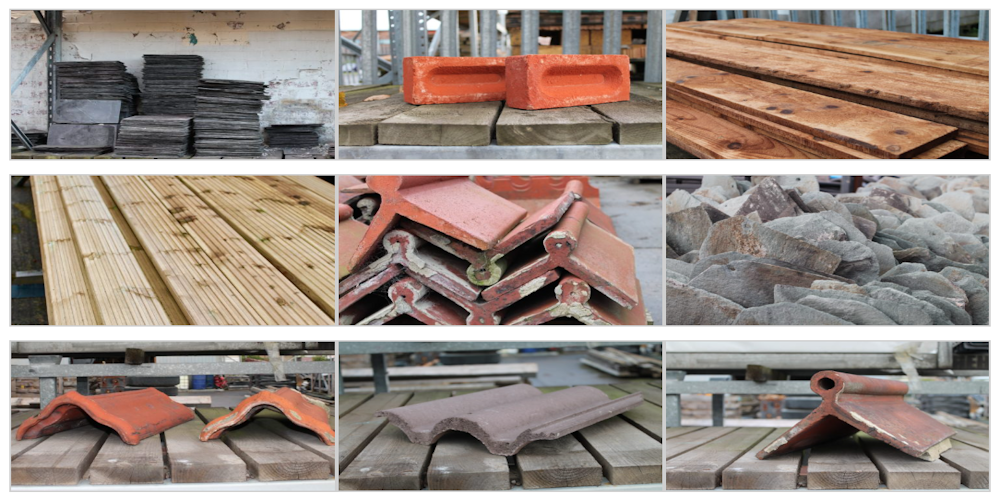
A reclamation yard is a specialised business that rescues usable materials and features from buildings that are being demolished, refurbished or stripped out. Rather than sending everything straight to landfill, these yards carefully salvage bricks, timber, doors, windows, fireplaces, tiles, ironwork and countless other items. This process of building material reclamation means that high-quality materials get a second life.
Here is how salvage yards typically work: when a property is due for demolition or major renovation, the reclamation yard either buys or is given access to the building’s contents. Skilled workers then carry out demolition salvage by removing items that can be reused – from structural beams and floorboards to decorative architectural salvage such as stained glass or ornate cornicing. These items are then cleaned, sorted and stored in the yard, often graded according to quality, age and condition. Customers can browse through this stock, select the recycled building materials they want, and either take them away the same day or arrange delivery. Architectural salvage yards are, in effect, large, organised treasure troves of reclaimed materials ready to be used again.
The environmental benefits of visiting your local salvage and reclamation yard
Using sustainable building materials is no longer a niche choice; it is increasingly seen as a responsible and forward-thinking way to build and renovate. Every time you choose reclaimed materials from a salvage yard, you help reduce construction waste that would otherwise end up in landfill. Reusing building materials dramatically cuts the demand for new production, which in turn lowers energy consumption, reduces resource extraction, and supports low-carbon renovation.
Eco-friendly home renovation is not just about installing the latest technology; it is about making intelligent use of the resources that are already available. Salvaged timber, bricks, tiles and fixtures give you genuinely green home improvement options, because they extend the lifespan of materials that have already been manufactured. This approach supports a more circular economy, where items are reused and repurposed rather than discarded, and it makes your renovation choices far more sustainable without sacrificing quality or style.
Saving serious money: how reclaimed materials cut your renovation costs
If you are working to a budget – and most renovators are – reclaim yards can transform what is possible. Cheap building materials do not have to mean poor quality; in fact, many reclaimed items are far superior to modern equivalents. Salvage yards offer budget renovation ideas almost by default, because you can find solid, well-made materials and fittings at a fraction of the price you would pay new.
Whether you are planning affordable home improvement projects or want to save money on DIY projects, reclaimed supplies can make a huge difference. You may find low-cost timber and bricks ideal for garden walls, extensions and internal features, or pick up bargain doors and windows that simply need a bit of sanding and paint. Instead of compromising on the look or scale of your renovation, using reclaimed materials can allow you to stretch your budget much further, freeing up money for other parts of your project.
Hidden treasures: unique finds you can only get at a reclamation yard
One of the greatest pleasures of visiting a reclamation yard is the sense of discovery. You can stumble upon items you would never see in a standard builders’ merchant or high-street shop. Vintage doors and windows with original glass, reclaimed floorboards from old schools or warehouses, cast iron radiators, and beautifully detailed period fireplaces are just some of the unique pieces often available.
You can also find antique hardware – such as brass handles, rim locks, hinges and hooks – along with reclaimed tiles that bring instant character to kitchens, bathrooms and hallways. These items can be exactly what you need to add authentic character features for period homes, or to introduce a touch of heritage charm into a newer property. Many of these details are either impossible or very expensive to buy new, making the reclamation yard an invaluable source of one-off treasures that transform a space.
What to look for: choosing quality reclaimed materials that will last
While reclamation yards are full of bargains, it is important to choose carefully to ensure what you buy will stand the test of time. When checking reclaimed timber, look for signs of rot, infestation, excessive warping or deep cracks. A few marks and nail holes are normal and often add character, but structural soundness is crucial. When inspecting salvaged bricks, check for consistent size, minimal crumbling and a strong, solid feel when tapped together.
Quality control for second-hand materials is largely in your hands, so take your time. Ask staff about the source of items and, where relevant, whether they have been checked or graded. For safe reclaimed electrics, such as old light fittings or switches, assume that they will need to be inspected and rewired by a qualified electrician before use. Structural integrity is especially important for items such as beams, joists, staircases and external doors. Some yards grade reclaimed items into categories, from prime pieces suitable for visible finishes to more rustic or worn items better suited to hidden structural or decorative use. Understanding these grades helps you balance character, safety and longevity.
Planning your visit: how to get the most from your local salvage and reclamation yard
A little preparation will make your yard visit far more productive. Before you go, think through your project and create a list of what you are looking for. Measuring before you buy is essential, especially for doors, windows, radiators and large furniture, so note down all relevant dimensions and, if possible, take a tape measure with you. Photographs or sketches of the spaces you are working on can also help you make better decisions on site.
When planning a yard visit, wear practical clothes and sturdy footwear, as you may be walking over rough ground or moving through crowded storage areas. Consider taking a notebook, tape measure, gloves and a phone with photos of your space. Negotiating prices is often acceptable, particularly if you are buying several items at once, but do so politely and be prepared to meet in the middle. Talking to yard staff is one of the best ways to learn what is available; they usually know the stock extremely well, can point you to the right section, and may even suggest alternatives you had not considered.
Good yard etiquette includes putting items back where you found them if you decide not to buy, respecting “staff only” areas, and being mindful of other visitors and moving vehicles. It is also worth checking opening hours in advance and asking how often stock turns over, so you know when to return for new arrivals.
Popular projects using finds from salvage and reclamation yards
Reclaimed materials lend themselves to a huge range of DIY upcycling projects. Many people use reclaimed wood to create unique furniture, from rustic dining tables and shelving to bedside units and coffee tables. Reclaimed wood furniture often has a warmth and patina that new timber cannot match, instantly adding character to a room.
Garden projects with salvaged materials are equally popular: old bricks can become raised beds or garden walls, while reclaimed stone flags make beautiful patios and paths. Inside the home, feature walls with reclaimed brick can bring a rich, textured focal point to living rooms, kitchens or hallways. Rustic shelving from old joists or floorboards, along with industrial-style interiors using steel beams, factory lights and metal-framed windows, are all achievable with salvage yard finds. With a bit of creativity and basic DIY skills, you can turn reclaimed materials into standout features that look as though they have always belonged in your home.
Safety first: staying safe while visiting your local salvage and reclamation yard
Because reclamation yards are working environments with heavy, sometimes awkward materials, safety should always come first. Basic salvage yard safety tips include wearing closed-toe, preferably sturdy shoes or boots, and avoiding loose clothing that could catch on objects. Protective clothing such as gloves will help you handle rough timber, metal and masonry without cuts or splinters, and eye protection is sensible if you are breaking down items or moving dusty materials.
Follow heavy lifting advice by bending your knees, keeping your back straight and, where possible, asking for help or using trolleys rather than trying to move very heavy items alone. When handling old paint and finishes, be aware that older products may contain lead or other hazardous substances, so avoid sanding without proper protection and seek professional advice if you are unsure. Plan the safe transport of materials by ensuring your vehicle is suitable and that items are well secured, padded and tied down. While on site, watch out for potential hazards such as nails, broken glass, uneven ground and moving forklifts or vehicles, and always follow any safety instructions given by yard staff.
How to find the best salvage and reclamation yards in your area
Finding good reclamation yards in the UK is easier than ever thanks to online searches and local recommendations. Searching “reclamation yards UK” or “best salvage yards near me” will usually bring up a selection of options, along with reviews and photographs. A local salvage yard directory, often available online or through local trade networks, can help you identify yards that specialise in the types of materials you need.
Some businesses are specialist architectural salvage dealers, focusing on high-quality period features, while others carry a broader stock of general building materials. It is also worth considering the differences between rural vs city reclamation yards. Rural yards often have more space and may carry larger quantities of bulk materials like bricks, tiles and timber, whereas city yards might specialise in higher-value architectural pieces from townhouses and commercial buildings. Visiting a few different yards, or phoning ahead to ask about stock, can help you find the ones that best suit your needs and budget.
Supporting local businesses and heritage through reclamation
When you buy from a reclamation yard, you are not only improving your own home; you are also supporting local trades and small businesses. Many yards are family-run or independent enterprises that rely on the custom of local renovators, builders and DIY enthusiasts. Your purchases help sustain jobs, skills and services in your area.
Architectural salvage also plays an important role in preserving architectural heritage. By rescuing doors, windows, fireplaces and other features from buildings that are being altered or demolished, these businesses protect pieces of history that might otherwise be lost. This form of community-based recycling keeps traditional craftsmanship alive and encourages a deeper appreciation of older materials and design. The local economy benefits when money is kept within the community, and the visual character of towns and villages is enhanced as more people choose to restore and reuse rather than replace with standard, mass-produced alternatives.
Make visiting your local salvage and reclamation yard your next step
Visiting your local salvage and reclamation yard is a straightforward, practical step that brings multiple advantages. You can secure high-quality materials at lower cost, reduce your environmental impact by reusing what already exists, and fill your home with features that have genuine character and history. Instead of defaulting to new products, choosing reclaimed materials allows you to make sustainable renovation choices that align with both your budget and your values.
If you are planning any kind of home improvement, from a full renovation to a small DIY project, consider making a reclamation yard visit part of your next steps. Take your measurements, draw up a simple list, and set aside a little time to explore. You may walk in looking for a few cheap building materials and walk out with the foundations of a more individual, eco-conscious home. By starting to use reclaimed materials now, you are not just transforming your living space – you are contributing to a more sustainable, resourceful way of building for the future.