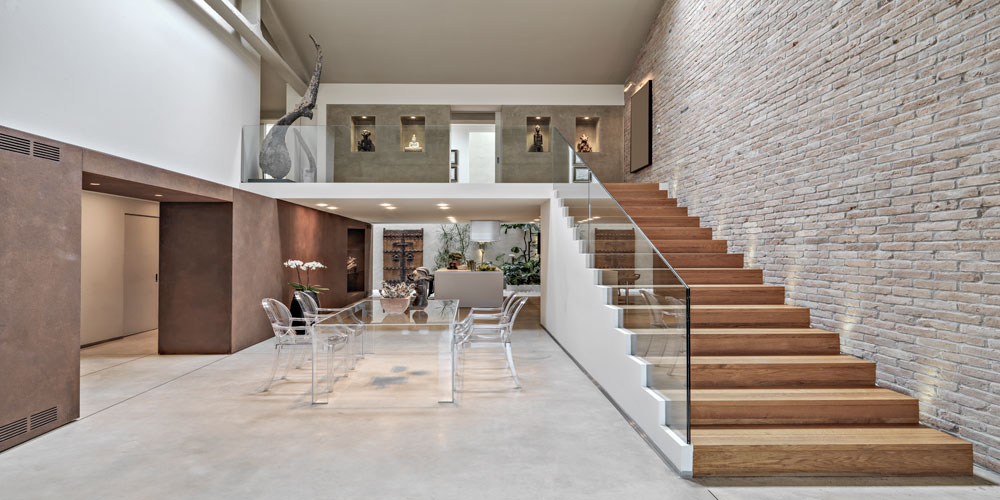
Mezzanine Floors: the Smart Way to Create Extra Space for Your Business
If your business is running out of room, a mezzanine floor is one of the smartest, fastest and most cost-effective ways to create extra space without the upheaval of moving. Instead of paying for a larger building or committing to an expensive new build, you can unlock the unused height within your existing premises and turn it into highly functional, productive floor area. Mezzanine floors allow you to expand where you are, using what you already have, and that makes them an exceptionally compelling solution for growing UK businesses.
What Is a Mezzanine Floor and How Does It Work?
A mezzanine floor is an intermediate floor level constructed between the main floor and the ceiling of your building, typically installed as a raised platform within a high-bay space. It is usually a free‑standing steel structure supported on columns, so it does not rely on the existing building frame for strength. This means it can often be installed with minimal interference to the building fabric and, crucially, can be altered, extended, relocated or even removed in the future.
In practical terms, a mezzanine works by turning unused vertical space into usable, load‑bearing floor area. In a warehouse, for example, a steel mezzanine can sit above existing operations, providing an additional level for storage, offices or light production. In commercial environments, a mezzanine can create an extra trading floor, showroom level or office suite above the ground floor. Because industrial and commercial mezzanines are engineered to specific load capacities, they can safely support racking, machinery, office fit‑outs and customer‑facing areas, all while maintaining clear headroom both above and below.
The Business Benefits: Why Mezzanine Floors Beat Relocation or New Build
For many businesses, the choice is stark: either move to larger premises, embark on a costly new build, or find a smarter way to use the space you already occupy. A mezzanine floor almost always comes out ahead on cost, speed and disruption.
A mezzanine is a highly cost‑effective space solution, often delivering additional floor area at a fraction of the cost per square metre compared with relocation or construction. You avoid agent fees, stamp duty, dilapidation costs and the hidden expenses of moving – from downtime and lost productivity to the impact on staff and customers. Instead, you maximise your existing premises, sweating the asset you already pay rent or mortgage on.
Installation is typically rapid, with many projects completed in a matter of weeks from approval, and the work can often be phased around your live operations to minimise disruption. The result is a significant increase in capacity – whether for storage, production, office space or sales – with far less upheaval than a move. Because mezzanine floors can be extended, reconfigured or adapted, they also help future‑proof your business, giving you a scalable platform for growth as your requirements evolve.
Popular Uses of Mezzanine Floors Across Different Sectors
Mezzanine floors are incredibly versatile, which is why they are now widely used across almost every sector in the UK.
In warehouses and distribution centres, warehouse mezzanines are used to create extra storage levels, pick faces and packing areas, supporting e‑commerce fulfilment and high‑volume logistics. They enable businesses to increase pallet and carton capacity without taking on a bigger shed.
Office mezzanines allow companies to add new office suites, meeting rooms, breakout areas or staff welfare facilities above existing production or warehouse space, making better use of the building envelope. In retail, a retail mezzanine can provide an additional sales floor, display area or stockroom, improving customer flow and showcasing more products without expanding the shop footprint.
Production mezzanines are common in manufacturing environments, where they can house light assembly lines, quality control areas or equipment platforms, freeing up valuable ground floor space for heavy machinery or vehicle access. Storage mezzanines can be integrated with shelving and racking to create organised, accessible storage tiers.
Showrooms, trade counters and customer experience centres also benefit from mezzanines by adding feature display levels, demonstration zones or hospitality areas. For online retailers, a mezzanine can transform an underutilised warehouse into a highly efficient e‑commerce fulfilment hub, with separate levels for picking, packing, returns and value‑added services.
Design Considerations: Planning a Mezzanine Floor That Works for Your Operation
A successful mezzanine project starts with thoughtful design tailored to how your business actually operates day to day. Key considerations include the required load‑bearing capacity – will the floor support racking, office fit‑out, heavy goods or light storage? This determines the specification of the steelwork and decking.
Clear headroom is vital, both above and below the mezzanine, to ensure safe, comfortable use and compliance with regulations. Column spacing must be carefully planned so that supporting columns do not interfere with forklift routes, production lines or customer areas. Strategic positioning of access points, staircases, lifts and pallet gates is essential to maintain efficient workflow and safe movement of people and goods between levels.
Good mezzanine design is about more than just adding square metres; it is about workflow optimisation and layout planning. This includes considering fire exits, one‑way systems for busy warehouses, separation of staff and vehicle movements, and provision for future expansion. By working through these details at the design stage, you ensure the mezzanine integrates seamlessly with your existing operation.
Safety, Building Regulations and Compliance in the UK
In the UK, mezzanine floors must comply with relevant building regulations and health and safety requirements, and a reputable supplier will guide you through this process. Fire safety is a central consideration: depending on the size, use and occupancy of the mezzanine, you may require fire‑rated mezzanine construction, fire‑protected columns, emergency lighting, smoke detection and clearly marked escape routes.
Edge protection, including handrails, toe boards and barriers, is mandatory to prevent falls from height and unsafe loading practices. Load limits must be clearly defined and adhered to, ensuring the structure is used safely and within its engineered capacity. Building control approval is generally required, and the project may fall under CDM (Construction Design and Management) regulations, which govern construction health and safety responsibilities.
By choosing an experienced mezzanine supplier, you can be confident that the design, fabrication and installation meet UK building regulations, CDM requirements and broader health and safety compliance, giving you peace of mind that your new space is safe, legal and robust.
Cost, ROI and Funding: How Mezzanine Floors Pay for Themselves
Although every project is different, mezzanine floors typically represent excellent value, especially when you compare the cost per square metre with alternatives. Mezzanine floor cost is influenced by size, specification, load rating, access equipment, fire protection and the complexity of the fit‑out, but the headline figures often compare very favourably to moving or extending.
When calculating return on investment, businesses look at the increased capacity, revenue potential and operational efficiency the extra space delivers. For example, more storage can mean higher stock levels and faster fulfilment; additional office or production space can support headcount growth and new contracts. The comparison of cost vs relocation almost always highlights savings not just in direct spend, but also in reduced downtime and risk.
Fit‑out costs – such as lighting, electrics, flooring, partitions and HVAC – should be considered as part of the overall business case. In the UK, tax relief and capital allowances can often be claimed on qualifying elements of a mezzanine installation, improving the financial picture further. When viewed over several years of use, many mezzanine projects effectively pay for themselves, making a compelling business case for mezzanine investment.
Planning Permission, Building Control and Legal Requirements
In many cases, mezzanine floors can be installed under permitted development rights, but it is essential to understand when planning permission is, and is not, required. Certain retail mezzanines above specific size thresholds, for example, may trigger planning considerations. Building control sign‑off is almost always necessary, as the structure alters the internal layout, fire precautions and loadings within the building.
You should also consider landlord consent and lease obligations, particularly in leased premises, as alterations often require written approval and may affect dilapidation responsibilities at lease end. Insurance implications should be reviewed too, ensuring your policy accurately reflects the increased floor area, changes in fire risk and additional assets on site.
Working with a mezzanine specialist familiar with UK planning rules and building regulations will help you navigate planning permission for mezzanines, secure building control approval and address legal and lease considerations efficiently and correctly.
Choosing the Right Mezzanine Floor Supplier in the UK
The quality, safety and success of your mezzanine project depend heavily on the supplier you choose. UK mezzanine floor manufacturers and installers vary in capability, so it pays to select a partner offering a genuine turnkey mezzanine solution – from concept and design through to installation and aftercare.
A thorough site survey is a must, enabling accurate measurements, structural assessment and understanding of your operational needs. Look for a supplier who can handle design and installation in‑house, provide clear structural calculations, and coordinate with building control and other contractors. Effective project management is crucial to keep the programme on track, particularly if work must be undertaken around live operations.
Aftercare and warranties matter too. A reputable installer will stand behind their work, offering guarantees, ongoing support and the ability to modify or extend the mezzanine as your business grows.
Installation Process: What to Expect from Survey to Sign‑Off
A professional mezzanine installation follows a clear, structured process. It begins with a detailed site survey, during which measurements are taken, existing structure is assessed and your operational requirements are discussed. Structural calculations are then carried out to ensure the mezzanine design is safe, compliant and capable of supporting the intended loads.
Once you are happy with the proposal, design approval is obtained and the steelwork and components move into manufacture. The installation timeline will depend on the scale of the project, but most are completed surprisingly quickly. Experienced installers will work around live operations where necessary, planning works to minimise disruption to your staff, customers and production.
Towards the end of the project, snagging is carried out to address any minor issues, followed by a final inspection. At this stage, building control sign‑off and any other required certifications are obtained, and the mezzanine is formally handed over for use.
Customisation Options: Tailoring Your Mezzanine to Your Brand and Operations
One of the great strengths of mezzanine floors is how easily they can be customised to match your brand and operational needs. Bespoke mezzanine design allows you to specify dimensions, layouts and features that perfectly align with your processes, whether that means open storage decks, enclosed offices or a combination of both.
Decking options range from standard industrial boards to heavier‑duty or specialist finishes. Lighting and electrics can be fully integrated, creating bright, efficient working environments. Partitioned offices, meeting rooms or welfare spaces can be built on the mezzanine, complete with glazing, doors and acoustic treatments.
Balustrades and staircases can be styled to fit your brand, from functional industrial finishes to more premium, customer‑facing designs. Signage and branding can be incorporated to reinforce your company identity, particularly in retail and showroom settings. Integrated racking and shelving turn the mezzanine into a highly efficient storage system, ensuring every square metre is put to work.
Common Concerns and Myths About Mezzanine Floors – Debunked
Many businesses hesitate over mezzanine projects due to misconceptions. Concerns such as “is a mezzanine safe?” are understandable but largely unfounded when you work with a competent, experienced supplier. Properly engineered mezzanines are structurally robust and designed to meet all relevant safety standards.
Disruption worries are another common barrier. In reality, careful planning and phased installation mean that noise, dust and downtime can usually be kept to a minimum, with much of the work scheduled around your busiest periods. Questions such as “will it support heavy loads?” are addressed through engineering and load calculations; the mezzanine is simply specified to match the intended use.
Planning hurdles can often be less onerous than imagined, with many projects falling under permitted development. Long‑term flexibility is a strength, not a weakness – mezzanines can be altered, extended or dismantled if your needs change. As for the resale value of premises, a well‑designed mezzanine typically enhances the attractiveness and versatility of a building, making it more appealing to future occupiers.
Mezzanine Floors – The Fastest Way to Create Extra Space for Your Business Today
For UK businesses looking to expand without moving, mezzanine floors offer a compelling, practical answer. They enable you to unlock hidden space within your current building, support scalable growth and improve efficiency, all while keeping costs and disruption under control. Whether you need more storage, additional offices, a larger sales floor or a more efficient fulfilment operation, a mezzanine can deliver.
If you are ready to explore how mezzanine floors could create extra space for your business, speaking to specialist mezzanine providers is the logical next step. A site survey will help identify what is possible in your premises, and a tailored mezzanine quotation will allow you to compare this route directly against relocation or new build. In many cases, you will find that a mezzanine is not just the fastest way to grow – it is also the smartest investment you can make in your space today.