Why Block Paving is the Smartest Way to Transform Your Patio
If you want a patio that looks impressive, lasts for years and genuinely adds value to your home, block paving is one of the smartest investments you can make. Unlike a tired concrete slab or ageing decking that quickly fades and rots, a well-designed block paved patio instantly upgrades your outdoor living space. It gives you a stylish, practical and hard-wearing surface that’s ideal for everything from quiet morning coffees to big family barbecues. With the right design, block paving can completely transform your patio, boost kerb appeal and play a major role in your overall garden renovation, making your home feel more inviting and more valuable.
What is Block Paving and Why is it Ideal for Patios?
Block paving is a surfacing method that uses individual blocks or bricks, usually made from concrete, clay or natural stone, laid in a specific pattern over a prepared base. Each block interlocks with the next, creating a strong, stable and attractive surface. A block paving patio is essentially a carefully constructed “carpet” of paving blocks, designed to handle foot traffic, garden furniture and the British weather without cracking or warping.
Compared with a poured concrete slab, block paving offers far more flexibility and visual appeal. Concrete can crack over time, is difficult to repair neatly and often looks plain and industrial. Decking, while popular, can become slippery when wet, requires regular treatment and is prone to rot and warping, especially in damp UK conditions. Block paving, by contrast, is robust, largely weather-resistant and relatively simple to repair; if a block becomes damaged, it can be lifted and replaced individually. When you compare block paving vs concrete or block paving vs decking, it stands out as a versatile, attractive and long-lasting patio surfacing option that works well for both traditional and contemporary homes.
The Key Benefits of Using Block Paving to Transform Your Patio
One of the main reasons homeowners choose block paving for patio improvement is durability. A properly installed block paving patio creates a strong, stable and durable patio surface that can cope with regular use, garden furniture, plant pots and even occasional vehicle access in certain designs. It is built on a solid sub-base, so it is less likely to crack or heave compared to cheaper alternatives.
Maintenance is also straightforward. A block paved patio is considered low maintenance: occasional sweeping, periodic washing and re-sanding of joints when needed will usually keep it looking good. Many block pavers are manufactured to be weather-resistant, so they stand up well to frost, rain and temperature changes. The textured surfaces can also offer a non-slip patio finish, making it a safer choice for households with children, pets or older family members.
In addition, block paving is renowned for its long-lasting performance. With the right installation and care, a block paved patio can look great for decades, offering excellent value for money. Because it’s such an attractive and sought-after feature, it can also add property value and significantly improve the appearance of your outdoor space. From a design point of view, block paving gives you flexible design options – you can choose different colours, sizes, patterns and borders to suit your taste. Many products also now focus on sustainable paving, including permeable blocks and eco-friendly manufacturing, making block paving a smart choice both practically and environmentally.
Design Ideas: Stylish Ways to Use Block Paving to Transform Your Patio
One of the biggest strengths of block paving is the huge range of design possibilities. You’re not limited to a flat, featureless surface; you can create a patio that feels like an extension of your interior style. Classic block paving patterns such as herringbone paving and basketweave paving add visual interest and strength. Herringbone is ideal for high-traffic areas thanks to its strong interlocking pattern, while basketweave has a softer, more traditional look that works beautifully in cottage gardens.
For a contemporary patio design, clean lines, larger format blocks and sleek, muted colours like charcoal, grey and off-white can create a modern, minimalist feel. If you prefer a more traditional patio design, tumbled or aged-effect blocks in warm, rustic tones can echo old brick and stonework. Edging blocks and contrasting borders are a simple but powerful way to define spaces, frame seating areas or highlight steps. Multi-coloured block paving can break up large areas and add character, while mixing textures and tones can tie your patio into a wider modern garden design. By planning zones for an outdoor entertaining space – such as a dedicated dining area, a spot for a fire pit, or a relaxed lounge corner – you can use block paving layouts and colours to subtly guide movement and create a cohesive, inviting outdoor living space.
Choosing the Right Block Pavers: Colours, Styles and Materials
Selecting the right block pavers is key to achieving the look and performance you want. Concrete block paving is widely used due to its affordability, versatility and vast choice of shapes and colours. It can mimic traditional bricks or more modern finishes and is suitable for most patios. Clay block paving tends to have richer, more permanent colours that don’t fade as quickly, with a classic, timeless appearance. Natural stone block paving – such as sandstone or granite setts – offers a premium, natural look with unique variations in colour and texture, ideal for higher-end projects or character properties.
When considering block paving colours, think about how your patio will look alongside your house exterior. Rustic pavers in warm reds, browns and buffs can complement older brickwork and traditional homes, while contemporary pavers in cool greys and blacks suit modern builds. Slip-resistant pavers are particularly important for UK patios, where rain and damp conditions are common. When choosing patio blocks, aim for garden design harmony: pick tones that connect your patio to your lawn, planting schemes and any existing paths or walls. This creates a unified, well-thought-out outdoor space rather than a patio that looks “bolted on”.
Planning Your Project: How to Design a Patio Layout That Works
A successful block paved patio starts with careful planning. Begin by exploring patio layout ideas: think about how you currently use your outdoor space and how you’d like to use it in future. Do you need a large outdoor dining area for family meals, a quiet corner for reading, or space for outdoor cooking and entertaining? A patio size guide can help you determine how much room you’ll need for tables, chairs and circulation space so the area never feels cramped.
Accurate measuring of your patio area is essential for ordering the correct amount of materials and avoiding costly shortfalls or excess. Drainage planning is another crucial step; ensuring that water runs away from your home and into suitable drainage points helps prevent puddling and damp problems. Consider patio levels carefully, especially if your garden slopes. Steps and raised areas can be incorporated to create interest and define zones, while still allowing safe access. Use block paving to form garden paths that link your patio to your lawn, shed, or other features. A well-planned layout will not only look good but also function smoothly, making your outdoor living space a pleasure to use every day.
DIY vs Professional Installation: What’s Best for Your Block Paving Patio?
When it comes to installation, you’ll need to decide between DIY block paving and hiring a professional. Laying block paving yourself can save on labour costs and may appeal if you enjoy hands-on projects. However, it requires careful ground preparation, attention to levels and a good understanding of drainage and sub-base requirements. Mistakes at this stage can lead to sinking, movement and uneven surfaces that are difficult and expensive to fix later.
Hiring a landscaper or professional installer usually means a higher initial cost, but it also gives you the benefit of experience, specialist tools and a high-quality finish. When considering the cost of block paving, weigh up labour vs materials and consider installation time. A professional team can typically complete the job faster and with fewer errors. To avoid costly mistakes, many homeowners in the UK choose local paving contractors who know the climate and ground conditions. Checking references and examples of previous work can give you confidence in the final result.
Step-by-Step Overview: How a Block Paving Patio is Installed
A block paving patio installation follows a structured process. First comes patio ground preparation, which involves removing existing turf, old paving or topsoil to a suitable depth. Next, a sub-base installation is carried out, usually with compacted hardcore or Type 1 material, to provide a stable foundation. This stage includes compacting hardcore thoroughly with a vibrating plate to minimise future movement.
Once the sub-base is in place, a laying sand bed is spread and levelled. Setting levels and falls at this stage ensures water drains away correctly and that the finished patio surface sits at the right height relative to doors and surrounding ground. The paving blocks are then laid in the chosen pattern, working carefully to maintain straight lines or curves. Cutting blocks is often necessary around edges, manholes or steps, and this must be done neatly for a professional look. After all blocks are in position, jointing sand is brushed into the gaps, and the whole area is compacted again to bed the pavers firmly. Finally, finishing touches such as edge restraints, sealing (if desired) and tidying the surrounding garden complete the transformation.
Budgeting: How Much Does Block Paving to Transform Your Patio Really Cost?
Understanding the cost is a crucial part of planning any patio project. Block paving cost per m² in the UK varies depending on the type of block, design complexity and whether you’re using standard or premium products. On top of this, you’ll need to factor in patio installation cost, including ground preparation, sub-base materials, sand, edging and labour. Budget patio ideas might involve simpler patterns, standard concrete blocks and a smaller area, while premium paving options could feature natural stone, intricate designs or decorative borders.
A clear cost breakdown will help you see where your money is going and where you might save. You can often reduce costs by choosing mid-range blocks, simplifying patterns or doing some basic preparation work yourself. However, it’s important not to compromise on essential elements like sub-base quality. Saving money on materials at the expense of durability can lead to higher costs later. Consider the long-term value: a well-installed block paved patio can last for decades and add to your property’s resale appeal. Always compare quotes from different installers, and be aware of hidden costs to watch for, such as waste removal, extra excavation or drainage adjustments.
Maintenance Tips: Keeping Your Block Paving Patio Looking Like New
One of the advantages of block paving is that it is relatively easy to keep in good condition. Basic cleaning of block paving with a stiff brush and occasional power washing will usually remove dirt and surface grime. Regular maintenance helps with removing moss and algae, which can develop in shady or damp areas. Weed prevention is also important: keeping joints topped up with sand and tackling any emerging weeds early stops them from taking hold between blocks.
Many homeowners choose to seal block paving to enhance colour, reduce staining and make cleaning easier. Re-sanding joints after cleaning or over time helps maintain stability and reduces movement. If you notice any dips or uneven areas, repairing sunken blocks is often straightforward: the affected blocks can be lifted, the base levelled and then relaid. Winter patio care might include avoiding harsh de-icing salts and clearing snow cautiously to protect the surface. Overall, a block paved patio is well-suited to a low-maintenance garden, providing long-term patio care that is manageable and cost-effective.
Common Mistakes to Avoid When Using Block Paving to Transform Your Patio
There are some common pitfalls you’ll want to steer clear of. Poor drainage issues are a frequent problem when patios are not designed with adequate falls, leading to standing water or damp at the house walls. An uneven patio is often the result of rushed or inadequate sub-base work and can quickly spoil both the look and usability of your space. Incorrect sub-base depth can cause sinking or movement over time, particularly in wetter areas or where the ground is soft.
Choosing the wrong paver for your needs or climate can lead to colour fading, excessive wear or slippery surfaces. Cheaper materials might seem attractive at first, but they can discolour or deteriorate faster. Weeds between blocks can become an issue if joints are not properly filled and maintained. Cutting corners on labour, hiring unskilled installers or skipping key preparation stages almost always leads to problems down the line. Investing in proper materials and workmanship from the outset is far more cost-effective than rectifying a failing patio later.
Eco-Friendly Options: Sustainable Block Paving for Modern Patios
If sustainability is important to you, there are many eco-friendly options within block paving. Permeable block paving is designed to allow water to drain through the surface into the ground below, helping to reduce surface water and support sustainable drainage systems (SuDS). This is particularly beneficial in urban areas where heavy rain can overwhelm traditional drains. Eco-friendly patios using permeable blocks can help manage water run-off control, reducing the risk of localised flooding.
Some manufacturers now offer blocks made with recycled materials or lower-carbon production methods, giving you more environmentally friendly paving choices. Incorporating green garden design principles alongside your patio – such as planting beds, trees and permeable areas – can further enhance sustainability. By choosing sustainable block paving, you can enjoy a stylish, practical patio while also making a responsible choice for the environment.
Before and After: Real-Life Patio Transformations with Block Paving
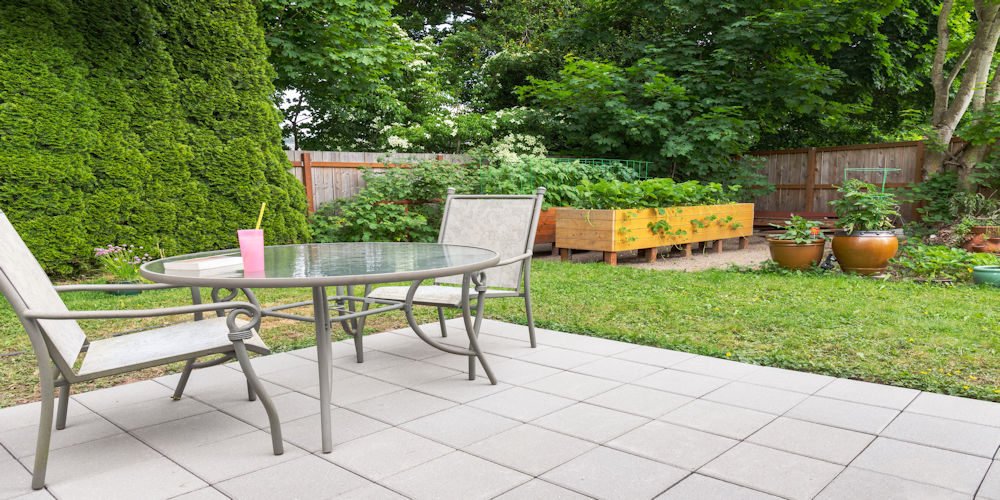
Real-life patio transformation examples clearly show just how dramatic the change can be when you use block paving to renovate your outdoor space. Before and after photos often reveal dull, cracked concrete or muddy, unusable corners of the garden turned into smart, inviting seating areas. In a small garden makeover, for example, carefully chosen blocks and patterns can make the space feel larger, more organised and brighter.
Families frequently opt for a family-friendly patio design, creating safe, level areas for children to play, as well as adult zones for dining and relaxing. For busy homeowners, a low-maintenance outdoor space with block paving, simple planting and good lighting can add a valuable extra “room” to the house that’s usable for much of the year. Across the UK, patio transformations using block paving demonstrate how this approach can adapt to different house styles, garden sizes and budgets, always adding structure, style and practicality.
Use Block Paving to Transform Your Patio and Create a Space You’ll Love
Investing in block paving is one of the most effective ways to transform your outdoor space into an area you’ll genuinely enjoy using. A well-designed, well-installed block paved patio can enhance kerb appeal, make your garden more functional and attractive, and increase property value. It creates a practical extension of your home where you can relax, entertain and enjoy outdoor living throughout the year.
If you’re ready to improve your garden, now is the ideal time to start planning. Consider your design ideas, set a budget and speak to reputable installers. Many companies will offer to book a survey and provide tailored advice and design suggestions. You can then request a quote and refine your plans to suit your style and budget. By choosing block paving to transform your patio today, you’ll be creating a durable, attractive and versatile outdoor space that will repay your investment for many years to come.